What to check before booking a private Montserrat outing from Barcelona
A trip to Montserrat can feel like a full change of scene: the city gives way to rugged rock, a mountain monastery, wide views and the quiet of a sacred site. Because the mountain sits outside Barcelona and has several ways to reach and explore it, a little checking before booking makes the day smoother. The aim is not to plan every minute, but to match the outing to your pace, interests and practical limits.
Start with the shape of the day. Montserrat can be a short visit focused on the monastery and the Black Madonna, or a longer outing with walks, a museum stop and time for the views. A private tour to montserrat from barcelona may sound simple on paper, yet the experience changes a lot depending on how much time is spent on the mountain and how much is spent travelling. Decide whether you want a calm cultural visit, a light walk, or a more active day before comparing options.
What the route actually includes
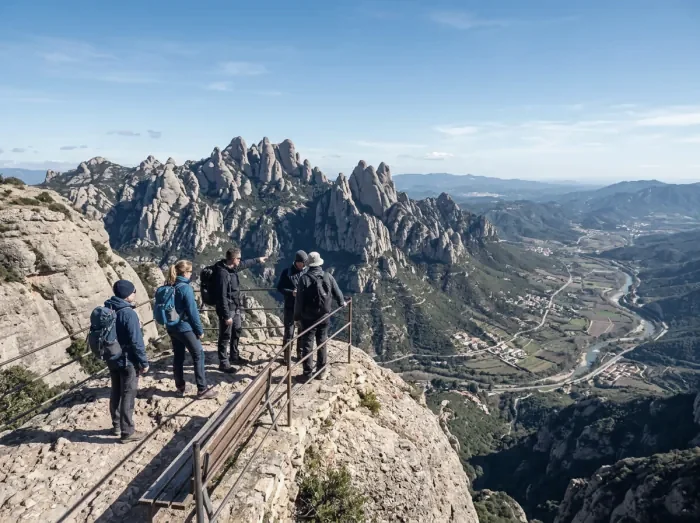
Read the route description with care. Some visits centre on the monastery, the basilica and the Black Madonna, while others add the Montserrat museum or time near Santa Cova chapel. If walking is part of the plan, check whether it is a gentle path or a demanding climb toward Sant Jeroni peak. A short walk at altitude can still feel tiring, especially in heat or wind, so the wording "easy" should be backed by clear detail about distance, slope and loose ground.
Also check how the mountain is reached. The Montserrat Rack Railway is one option, while other routes use winding roads or cable cars. Each has a different feel. A railway approach can be memorable, but it may involve waiting at busy times. A road transfer may save steps, yet the final stops may still involve ramps, stairs or uneven paving. If anyone in the group has limited mobility, ask which parts are step-free and where resting points are found.
Timing and the rhythm of the visit
Montserrat rewards unhurried time, but the day has moving parts. Travel from Barcelona, ticket queues, transport on the mountain and the pace of a site visit all affect how the hours feel. Check the total duration rather than only the time spent at the top. A long day can be rewarding if it includes several stops, but it may be tiring for children, older travellers or anyone with a tight schedule back in the city.
Ask what happens if conditions change. Mountain weather can shift quickly, and visibility may affect the value of viewpoints. A good plan should allow for a sensible alternative, such as spending more time indoors at the Montserrat museum or focusing on the monastery. The Boy choir may be part of the cultural appeal for some visitors, but schedules can vary, so it is better to treat it as a possible highlight rather than the only reason for the trip.
When comparing providers, look for a clear meeting point, a clear end point and a realistic time window. Private Tour in Barcelona can be a useful phrase to keep in mind while searching for local context, but the details that matter most are still the ones that describe the day itself: where it begins, how long it lasts and what is included once you are on the mountain.
Group size and personal pace
The main reason many people look at private options is control over pace. Check whether the booking is truly for your group alone or whether it joins other travellers at any stage. Ask how many people can be accommodated, especially if you are travelling with children, luggage, a wheelchair or a larger group. Small details such as seat space and time for photos can shape the day as much as the itinerary.
It is also worth checking how flexible the plan is. Some people want a set sequence with little decision-making. Others prefer room to linger at a viewpoint or skip a stop when energy drops. A flexible approach often suits families and mixed-age groups, while a more structured plan may suit first-time visitors who want the main sights covered. Neither is better by default; the right choice depends on how your group travels.
Costs, inclusions and small print
Before paying, check what the booking includes and what remains separate. Transport, mountain tickets, entry to sites, meals and guide services may be handled in different ways. Clear wording matters more than a neat headline. If something is optional, note whether it affects the schedule, and whether there is enough time to take part without rushing.
Read cancellation and change terms with the same attention you would give to any travel booking. Mountain plans can be affected by weather, transport disruptions or personal illness. Knowing the rules before you commit avoids awkward decisions later. Keep written confirmation of the agreed pickup point, meeting time, duration and main stops. If a detail matters to you, such as avoiding a steep path or allowing extra time at the monastery, have it confirmed in writing.
Here are the practical points worth checking before you commit:
- Route depth: monastery only, museum or chapel stops, or a walk toward Sant Jeroni peak.
- Transport method: road transfer, Montserrat Rack Railway or cable car, plus the walking required at each stop.
- Total duration: time from Barcelona and back, not just time on the mountain.
- Accessibility: steps, slopes, resting places and whether the plan suits your group.
- Inclusions and terms: tickets, meals, optional stops, cancellation rules and written confirmation.
Food, comfort and mountain conditions
Meals can quietly shape the quality of the day. Check whether lunch is included, whether there is time for a relaxed break, and whether dietary needs can be handled. On busy days, finding a place to eat without a plan can eat into sightseeing time. If the itinerary includes a tasting in a Catalonian wine region, check whether that happens before or after Montserrat and how it affects the total journey.
Clothing and footwear deserve a mention too. Even a mostly cultural visit involves paved slopes and open-air waiting. Comfortable shoes, sun protection and a light layer are sensible in many seasons. In cooler or windier weather, a warm layer helps at viewpoints. This is not about turning the trip into a hike; it is about avoiding avoidable discomfort while you move between stops.
Private Tour in Barcelona may appear in search results alongside many other travel phrases, but the decision should come down to a clear match between the plan and your group. If you want a quiet visit centered on the monastery and the Black Madonna, avoid a route built around long walking. If you want mountain views and a sense of space, make sure the schedule gives you time beyond the main built areas.
Questions that prevent surprises
A short set of direct questions can settle most doubts. Ask what happens if the railway or cable car is unavailable, whether the route changes in poor weather, and how much free time is built into the day. Ask where the guide or driver meets you and what happens if you arrive late. These questions are practical, not awkward. They reveal whether the plan has been thought through.
It also helps to check the balance between famous sights and personal time. Montserrat is a working monastery as well as a visitor site, so silence and respect may be expected in certain areas. A plan that allows space between stops often feels better than one that rushes from landmark to landmark. Whether the day includes the Montserrat museum, Santa Cova chapel or simply the basilica, the best experience usually leaves room to take in the setting.
A well-chosen private tour to montserrat from barcelona should feel clear before the day begins. You should know how you will travel, what you will see, how demanding the walking is and what is covered. Once those points are settled, the mountain itself can do the rest: the rock formations, the monastery, the views and the sense of distance from the city make Montserrat a memorable escape.